Will a Dirty Trash Can Draw Rats and Raccoons to Your Home?
Quick Answer: Yes, food in and around a trash can draws both. The CDC says rodents are attracted to food and water sources, and Outdoor Alabama says raccoons forage in trash cans. A clean can with a tight lid, no spilled food nearby and no pet food left out removes the easy meal. It will not clear an existing infestation on its own.
TLDR:
- Rats, mice and raccoons come to a bin for food, not for the plastic.
- Rats can squeeze through a 1/2-inch hole and mice through a 1/4-inch gap.
- Raccoons are opportunistic eaters with flexible, sensitive fingers.
- Raccoons are the primary rabies reservoir in Alabama. Never approach one.
- A tight lid, a washed can and a clean yard take away the easy meal.
- Cleaning helps prevent a problem. It does not remove animals already living nearby.
If you live in Huntsville, Madison, Athens or Harvest, you may have seen the signs. A lid knocked off overnight. Trash dragged across the driveway. Droppings in the garage near the cart.
As the weather cools, it tends to get worse. Here is what actually brings these animals to your bin, and what you can do about it this week.
Want one less thing drawing critters to your garage? TidyCan cleans, sanitizes and deodorizes your bins at the curb on your regular trash day, with 200°F water and no harsh chemicals.
What Brings Rats and Raccoons to a Trash Can
The short answer is food. Both animals are looking for an easy meal, and a bin that smells like old leftovers advertises one.
Rats and mice. The CDC’s 2024 guide to sealing up against rodents says rodents are attracted to food and water sources, and to places where they can build nests. Alabama Extension’s guide to controlling rats and mice around your home, published in 2020, puts it bluntly: poor sanitation is one of the basic reasons rodent numbers run high in urban and suburban areas.
Raccoons. Outdoor Alabama’s raccoon species profile calls them omnivorous and opportunistic feeders that are common statewide, including in urban areas, where they forage in trash cans. The same profile notes their front feet have long, flexible fingers that are very sensitive to touch. A loose lid is not much of a challenge.
Neither animal needs much. A spill under the cart or a lid that does not close is often enough to put your house on the nightly route.
Why the Inside of the Can Matters Too
Most people think about the bagged trash. The film left on the bottom and sides of the can after pickup is easy to forget.
When a bag leaks or food falls loose, that residue stays in the cart after the truck empties it. It is the same buildup our guide to why a trash can smells so bad traces as the real source of the odor. A can that still smells like food is still offering some.
The CDC’s rodent guidance backs up the habit. For garbage kept inside the home, it says to use thick plastic or metal containers with tight lids and to frequently clean those containers with soap and water.
We want to be straight with you here. We did not find a study that measures how much a clean can cuts down on rodent or raccoon visits, so we will not put a number on it. What the agencies agree on is the principle: take away food, and you take away the reason to come.
Why You Do Not Want Them Close to the House
A raccoon tipping the can is annoying. The bigger concern is what these animals can carry.
Rodents. The CDC’s page on controlling wild rodent infestations, updated in 2024, says rats, mice and chipmunks are known to carry many diseases. Germs spread through droppings, urine and saliva, through contaminated air or food, and through bites or scratches.
Raccoons. In a 2021 rabies advisory, the Alabama Department of Public Health (ADPH) stated that raccoons are the primary reservoir for the rabies virus in Alabama. ADPH reported a rabid raccoon in Lee County in May 2026 and repeated its advice not to leave uneaten pet food or scraps near your home.
Outdoor Alabama’s 2018 advisory on avoiding contact with raccoons is clear: never approach or try to catch one, and leave strange-acting animals alone. The same page tells homeowners not to leave garbage in areas raccoons can reach.
Is the bin the thing drawing them in? A deep clean clears the food film off the bottom and sides of the cart. Our Monthly plan cleans up to two bins every 4 weeks, starting at $30.
Six Habits That Make Your Bin Less Inviting
None of these take long. Together they cover what the CDC, Alabama Extension and Outdoor Alabama recommend for trash and food around the home.
1. Use a can with a tight lid and no holes. The CDC recommends a thick plastic or metal garbage can with no holes and a tight lid. If your cart is cracked, ask your trash provider about a replacement.
2. Wash the can on a schedule. The CDC advises cleaning garbage containers frequently with soap and water. Our Huntsville homeowner’s guide to cleaning your own trash can walks through a full DIY wash.
3. Clean up around the cart. The CDC says to clean up garbage around your house. Alabama Extension adds that you should remove piles of trash or debris that could give rodents cover.
4. Bring pet food in. The CDC says to put pet food away after use and not leave bowls out overnight. ADPH gives the same advice about uneaten pet food and scraps.
5. Keep garbage out of reach. Outdoor Alabama says not to leave garbage where raccoons can get to it. For many of our customers, that means the garage, which is why a clean can matters so much there.
6. Move compost and bird feeders back. The CDC suggests keeping compost bins at least 100 feet from the house and keeping bird feeders away from it too.
Fall Is When Pests Start Looking for a Way In
North Alabama nights are cooling off right now, and that changes animal behavior around the house.
Alabama Extension’s 2021 article on keeping fall pests out of the home explains that cooler temperatures prompt bugs and rodents to seek winter refuge, because food, water and shelter get harder to find. Its advice includes storing garbage in sealed containers and disposing of it regularly.
That matters if your cart lives in the garage. A can holding food residue sits right next to the door into your house. Our tips on keeping a trash can from smelling in the garage cover that setup in more detail.
When It Is More Than a Bin Problem
A clean can helps you avoid trouble. It will not evict animals that have already moved in.
If you are finding droppings indoors, hearing scratching in the walls or seeing the same raccoon return night after night, the bin is only part of the picture. Alabama Extension notes that poisons alone will not provide long-term relief from rat infestations; they have to be paired with sealing entry points and cleaning up food sources.
For raccoons and other wildlife, Outdoor Alabama keeps a directory of permitted nuisance wildlife control operators, sorted by county. Madison, Limestone and Lauderdale counties each have their own listings. TidyCan does not remove animals. We clean the bins they were raiding.
How TidyCan Helps Take the Bin Off the Menu
Our part is the can itself: getting the food film off the inside so it stops smelling like dinner.
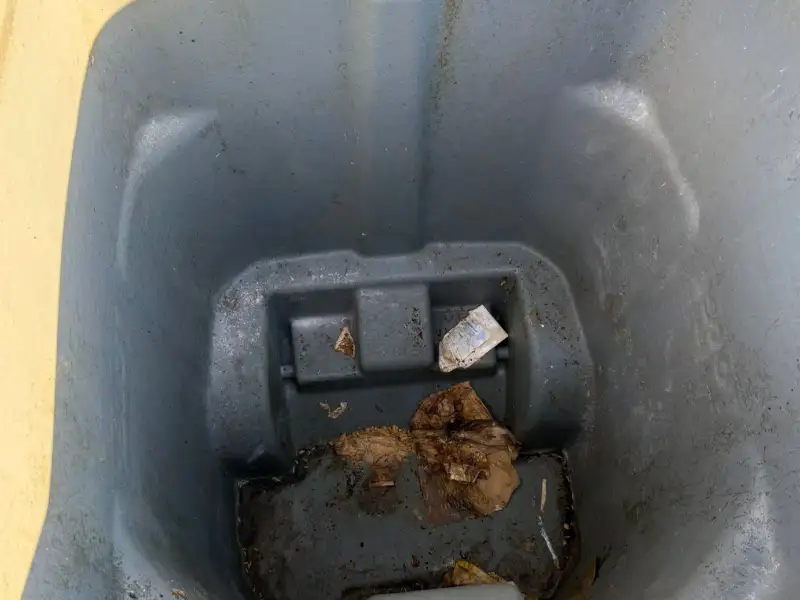 Before
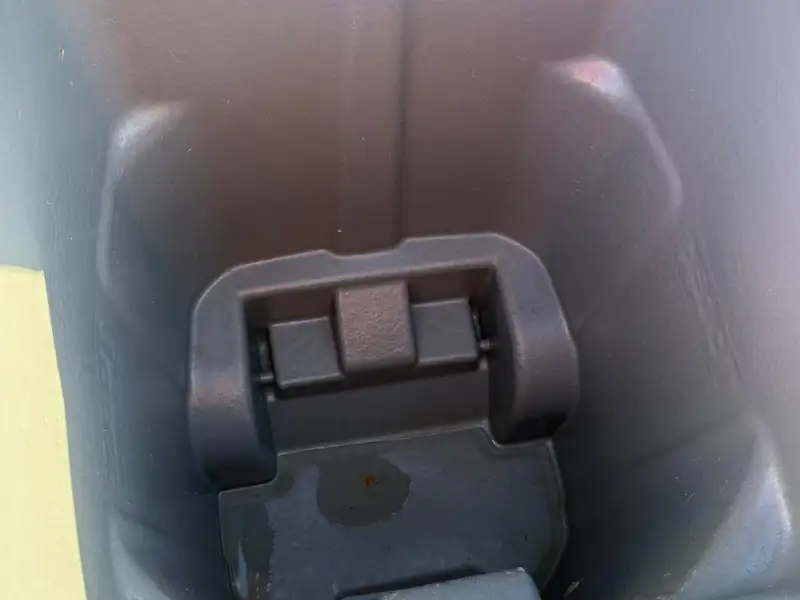 After
We clean your cans inside and out at the curb with high-pressure, 200°F water, then sanitize and deodorize them, with no harsh chemicals. We come on your regular trash day, so the can is already empty, and every plan includes up to two bins.
Need a reset before the cold sets in? A one-time bin cleaning gets you a fresh start with no subscription. Or you can compare every plan and price and pick the schedule that fits your home.
What North Alabama Homeowners Ask About Rats, Raccoons and Trash Cans
These are the questions that come up when critters start visiting the cart. If yours is not here, call or text (256) 320-8042 and ask.
Do dirty trash cans attract rats?
They can. The CDC says rodents are attracted to food and water sources, and Alabama Extension names poor sanitation as a basic reason rodent numbers run high in neighborhoods. Food residue in the can, spills around it and a lid that does not close all offer rats an easy meal near your home.
Can raccoons open a trash can lid?
A loose one, often. Outdoor Alabama describes raccoons as opportunistic feeders with long, flexible fingers that are very sensitive to touch, and says they forage in trash cans. Use a can with a tight lid and no holes, and keep it where raccoons cannot reach it overnight.
Will cleaning my trash can keep rats away?
It removes one food source, which is what the CDC and Alabama Extension recommend. It will not clear animals already living nearby. If you see droppings indoors or signs of nesting, pair a clean can with sealing entry points and, if needed, help from a pest professional.
Is it dangerous to have raccoons in my trash?
It can be. The Alabama Department of Public Health says raccoons are the primary reservoir for the rabies virus in Alabama. Outdoor Alabama advises never approaching or trying to catch a raccoon and leaving strange-acting animals alone. Keep pets vaccinated and do not leave pet food outside.
What diseases can rats spread from garbage?
The CDC says rats and mice are known to carry many diseases. Germs spread through their droppings, urine and saliva, by breathing contaminated air or eating contaminated food, and through bites or scratches. Keeping food sealed and garbage contained reduces the chance of contact around your home.
Who do I call about a raccoon problem in North Alabama?
Outdoor Alabama keeps a directory of permitted nuisance wildlife control operators by county, including Madison, Limestone and Lauderdale. Services and fees vary by operator. TidyCan does not trap or remove animals, but we can clean the bins they have been raiding.
Take your bin off the neighborhood menu. We clean, sanitize and deodorize your cans at the curb on trash day, so food residue does not sit in the cart for weeks. Service is contactless, you do not need to be home, and every plan price is published up front.