
Stop Garage Trash Smell at the Source
Garage trash smell comes from food residue and bacteria baking inside a warm, closed space. To stop it: bag and seal all food waste, rinse and fully dry the can, drop baking soda in the bottom, freeze meat and seafood scraps until trash day, and keep the lid shut in a ventilated spot. The only permanent fix is a real deep clean and sanitize. No hassle, no smell, no mess.
TLDR:
- The smell is bacteria feeding on food residue, and a warm garage speeds it up.
- Loose food scraps are the number-one cause. Bag everything and tie it off.
- Bacteria need moisture, so a rinsed and fully dried can stays fresher.
- Baking soda in the bottom and a freeze-the-scraps trick buys you days between pickups.
- Where the can sits matters: lid closed, off the bare concrete, some airflow.
- Deodorizers only mask it. A real deep clean and sanitize is the lasting fix.
Here in North Alabama, a garage can go from “fine” to “what is that smell?” in about a day. Heat, humidity, and a closed door turn your trash can into a slow cooker, and the can holds onto that smell long after the trash is gone.
The good news: you can knock most of it out with a few habits. The better news: once the can itself is clean, your whole garage smells good instead of like trash. Here is how to get there.
Tired of fighting the smell? TidyCan cleans and sanitizes your bins curbside in Athens, Madison, Harvest, and Huntsville, so you never have to think about it again.
Call (256) 320-8042 or see our plans starting at $30 a month.
Why a Garage Makes Trash Smell Worse
A trash can outside gets rain, breeze, and cooler nights. A trash can in the garage gets none of that. It sits in still, warm air behind a closed door, which is exactly what odor-causing bacteria want.
North Alabama summers make it worse. When the garage hits the 90s and the humidity climbs, the bacteria on old food residue multiply fast. That is why the smell seems to appear overnight and why a quick spray never quite fixes it.
The smell is not really the trash. It is what is growing on the inside of the walls and at the bottom of the can.
Bag and Seal Everything
The single biggest fix costs nothing. Most garage trash odor comes from loose food scraps and the juice that leaks to the bottom of the can.
Bag all food waste in a kitchen bag, push out the air, and tie it off before it goes in the bin. Double-bag anything wet or smelly. The goal is simple: keep food residue from ever touching the inside of the can.
If your bags tend to leak, line the bottom of the can with a few sheets of newspaper or a puppy pad to catch drips. Swap it when you take out the trash.
Keep the Can Dry
Bacteria need moisture to grow, so a wet can is a smelly can. After trash day, give the empty bin a quick rinse with the hose, tip it to drain, and let it dry in the sun before it goes back in the garage.
A dry can with a closed lid is a hard place for odor to take hold. A damp can with crusted residue is a buffet.
Baking Soda, Charcoal, and the Freezer Trick
A few cheap helpers go a long way between trash days:
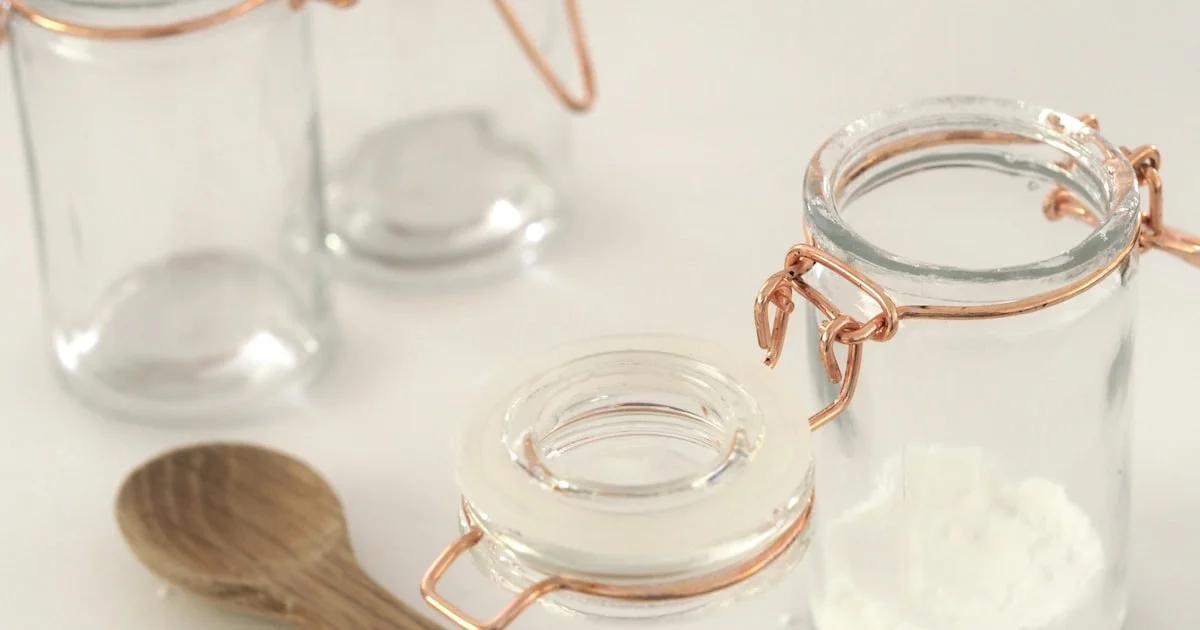
- Baking soda: sprinkle a thin layer in the bottom of the can. It absorbs odor instead of masking it.
- Activated charcoal: a small open container or a charcoal deodorizer pack inside the lid pulls moisture and smell out of the air.
- The freezer trick: keep meat trimmings, seafood, and other strong scraps in a bag in the freezer, then toss them in the can the morning of pickup. They never get the chance to rot in your garage.
These will not fix a can that is already coated in residue, but they keep a clean can fresh longer.
Where You Keep the Can Matters
Small placement changes add up. Keep the lid fully closed so the smell stays in, and pests stay out. Set the can on a scrap of plywood or a mat to keep it off the bare concrete and help it stay dry underneath.
If your garage has a window or a vent, park the can near the airflow. And keep it away from the door into the house, so any smell that does escape is not the first thing you walk into.
When the Tricks Stop Working: Deep Clean and Sanitize
Here is the honest part. Once a can has months of baked-on residue, baking soda and rinsing only do so much. The smell lives in the grime on the walls and the bottom, and a garden hose will not reach it.
That is the gap TidyCan fills. We bring the truck to your curb the same day as your pickup and blast the inside of the can with water heated to 200 degrees. That heat lifts off residue, kills the bacteria causing the smell, and leaves the bin deodorized. It is eco-friendly, contactless, and you do not have to be home.
Most folks try us once with a one-time clean, then switch to monthly bin cleaning once they smell the difference. We do not just say we clean. We show it.
The payoff: you open the garage, and it smells like a garage, not like last week’s dinner.
Questions North Alabama Homeowners Ask About Garage Trash Smell
These are the questions we hear most from folks in Athens, Madison, Harvest, and Huntsville who are tired of holding their breath in the garage.
How do I get the smell out of my garage trash can fast?
Pull the bag, rinse the empty can with the hose, and let it dry fully in the sun. Sprinkle baking soda in the bottom and tuck a charcoal pack under the lid. That handles the surface smell. If it comes right back, the residue is baked in, and the can needs a real deep clean.
What absorbs trash can odor the best?
Baking soda and activated charcoal both absorb odor rather than cover it, which is why they beat air fresheners. Air fresheners only add a second smell on top of the trash. Absorbers actually remove odor from the air.
Does freezing trash scraps really help?
Yes. Meat, seafood, and produce scraps rot fast in a warm garage. Keeping them in a bag in the freezer until the morning of pickup stops the rot before it starts, and it is one of the simplest habits that makes a real difference.
How often should I clean my garage trash can?
For a garage can in the North Alabama heat, a real cleaning every month keeps it from ever turning sour. That is why our monthly plan is the most popular. If you only grill out a few times a year, every quarter may be enough.
Will a deodorizer fix the smell permanently?
No. A deodorizer masks the smell for a day or two, but the bacteria causing it remain. The only lasting fix is to remove the residue and sanitize the surface, which is what a hot-water deep clean does.
Want your garage to smell good instead of like trash?
TidyCan cleans and sanitizes your bins right at the curb in Athens, Madison, Harvest, and Huntsville. Same day as your pickup, contactless, no need to be home. No hassle, no smell, no mess.
Call (256) 320-8042 to get started, or book a one-time clean to try us first.